
5 Ways to Boost Your Car’s Resale Value Before Trading It In
5 Ways to Boost Your Car’s Resale Value Before Trading It In
Posted on October 26, 2025
From the moment you drive your brand-new car or truck off the lot, its value starts to drop. Every kilometre adds up, and over time, depreciation chips away at what your vehicle is worth. But while depreciation is unavoidable, there are ways to slow it down and protect your investment. Whether you plan to sell privately or trade in for a newer model, keeping your vehicle’s resale value high can make a big difference in how much money you get back.
When you eventually sell or trade in your vehicle, the amount you receive is called its residual or resale value. The gap between what you paid for the car and what it’s worth when you sell is known as depreciation. And while that’s a normal part of vehicle ownership, taking a few proactive steps can help minimize the loss and even boost your car’s overall worth when it’s time to move on.
1. Eliminate Rust
Rust doesn’t just make your car look old, it costs you money. Even small patches of corrosion can drag down your vehicle’s condition rating and lower its resale value. Cars with visible rust, no matter how minor, tend to sell for less than clean, well-maintained ones. Severe rust can even lead to major structural issues that scare away potential buyers.
The good news? Rust prevention is easy and affordable. Annual corrosion-inhibiting treatments from trusted companies like Krown, Corrosion Free, or Rust Check cost around $150 and go a long way toward protecting your car’s body and undercarriage. Apply it as soon as you buy your new vehicle and repeat the treatment every year. In Canada’s harsh winters, where salt and de-icing chemicals are common, rustproofing is one of the best investments you can make to protect your car’s long-term value.
Before scheduling any treatment, always check your owner’s manual or consult your dealership’s service department to confirm that rustproofing won’t interfere with factory coatings or warranties.
2. Stay on Top of Regular Maintenance
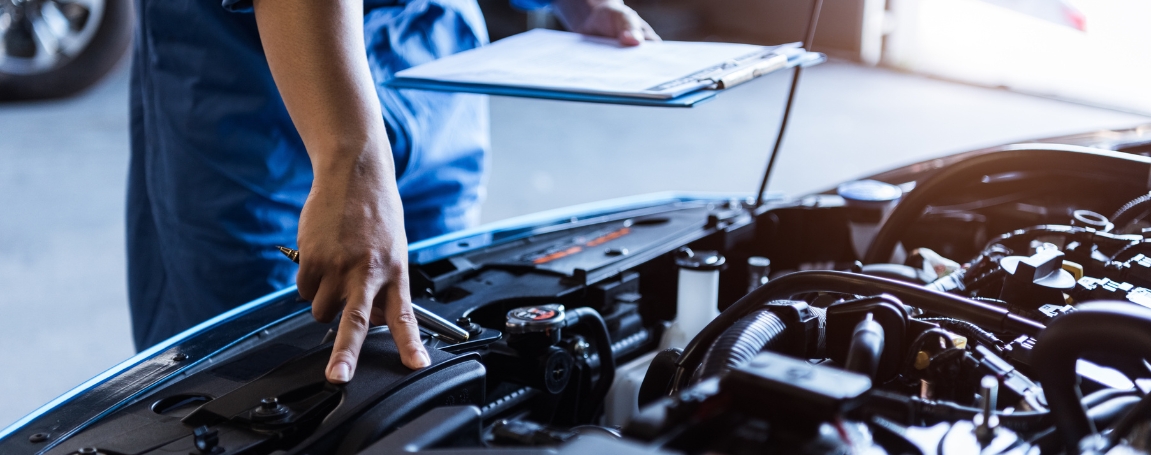
Keeping your vehicle properly maintained is key to preserving both performance and value. Every car or truck comes with a manufacturer-recommended maintenance schedule outlining when to replace fluids, filters, and parts. Following that schedule on time (every time) isn’t optional if you want to keep your car running smoothly and retain warranty coverage.
Skipping oil changes, neglecting brake inspections, or delaying tune-ups can lead to bigger problems down the road. Not only does this affect reliability, but it can also reduce your car’s resale appeal. Used car shoppers often ask for maintenance records, and a well-documented service history can increase confidence and lead to higher offers.
Routine dealership visits also ensure your vehicle gets necessary software updates or safety recall fixes automatically. These details help keep your car current, reliable, and ready to impress potential buyers.
3. Be Inspection Ready
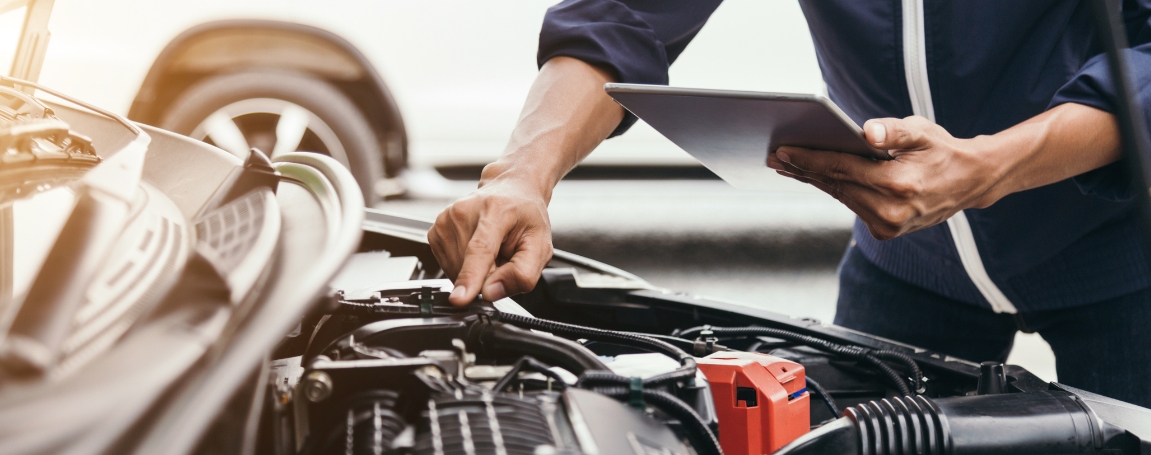
When it comes time to sell, the smartest buyers will request a Pre-Purchase Inspection (PPI) before finalizing the deal. This professional check-up identifies hidden issues that could impact performance, safety, or resale value. Having your own inspection done ahead of time puts you one step ahead, it helps you catch problems early and decide whether to fix them before listing the car.
A PPI typically takes about an hour and can be done during your next oil change or service appointment. As a seller, providing recent inspection results builds trust and transparency, helping you justify your asking price. If you choose to share the report with potential buyers, make sure to remove any personal information before posting it or handing it over.
4. Accessorize for Protection

A few well-chosen accessories can do wonders for protecting your car’s interior and exterior while also adding a touch of style. Mud flaps, bug deflectors, and paint protection films all help prevent chips, scratches, and other cosmetic damage that could lower your resale value. Inside the cabin, form-fitting floor mats and cargo liners protect against spills, salt, slush, and general wear, especially during messy Canadian winters.
Other smart upgrades include seat covers, leather treatments, and car covers to keep upholstery fresh and free of stains. While accessories don’t directly add monetary value, they preserve your vehicle’s condition, helping you present a cleaner, more appealing car when it’s time to sell.
5. Keep Good Records
Organization goes a long way when it comes to resale. Before driving your new car home, pick up a simple accordion-style folder and use it to store all your vehicle’s paperwork, purchase documents, service receipts, warranty details, and accessory invoices. Having everything organized in one place shows potential buyers that you’ve taken great care of the car.
When the time comes to sell or trade in, a detailed maintenance history gives you proof of consistent care, which can translate into a higher offer. Buyers appreciate transparency, and showing complete records removes uncertainty about how the vehicle was treated over the years.
Thinking About Selling Your Car?
If you’re planning to sell or trade in your car soon, you can quickly check its current value using our easy online tool at CarLoft.ca. Just enter details like make, model, and mileage to get an instant offer, no guesswork or lowball negotiations. If you’re happy with the price, simply drop off your car at one of our convenient locations and get paid the same day. No time wasted with test drives or unreliable buyers, just a fast, fair, and stress-free sale.
Keeping your car’s resale value high doesn’t require much effort, just a bit of consistency. Stay on top of maintenance, protect against rust, and document everything. When you’re ready to sell, those small steps will pay off big